
Advanced Materials 2026: Investing in UK Silicone Rubber Manufacturing
2026 has been a significant year of investment and expansion for Advanced Materials. From increasing our silicone rubber extrusion capacity to investing in precision toolmaking and gasket cutting equipment, we have continued developing our UK manufacturing capabilities to support customers’ changing requirements. These investments reflect our long-term commitment to manufacturing quality silicone components, improving production flexibility and supporting reliable supply for engineers, OEMs, manufacturers and distributors.
Expanding Our Silicone Rubber Extrusion Manufacturing Capacity
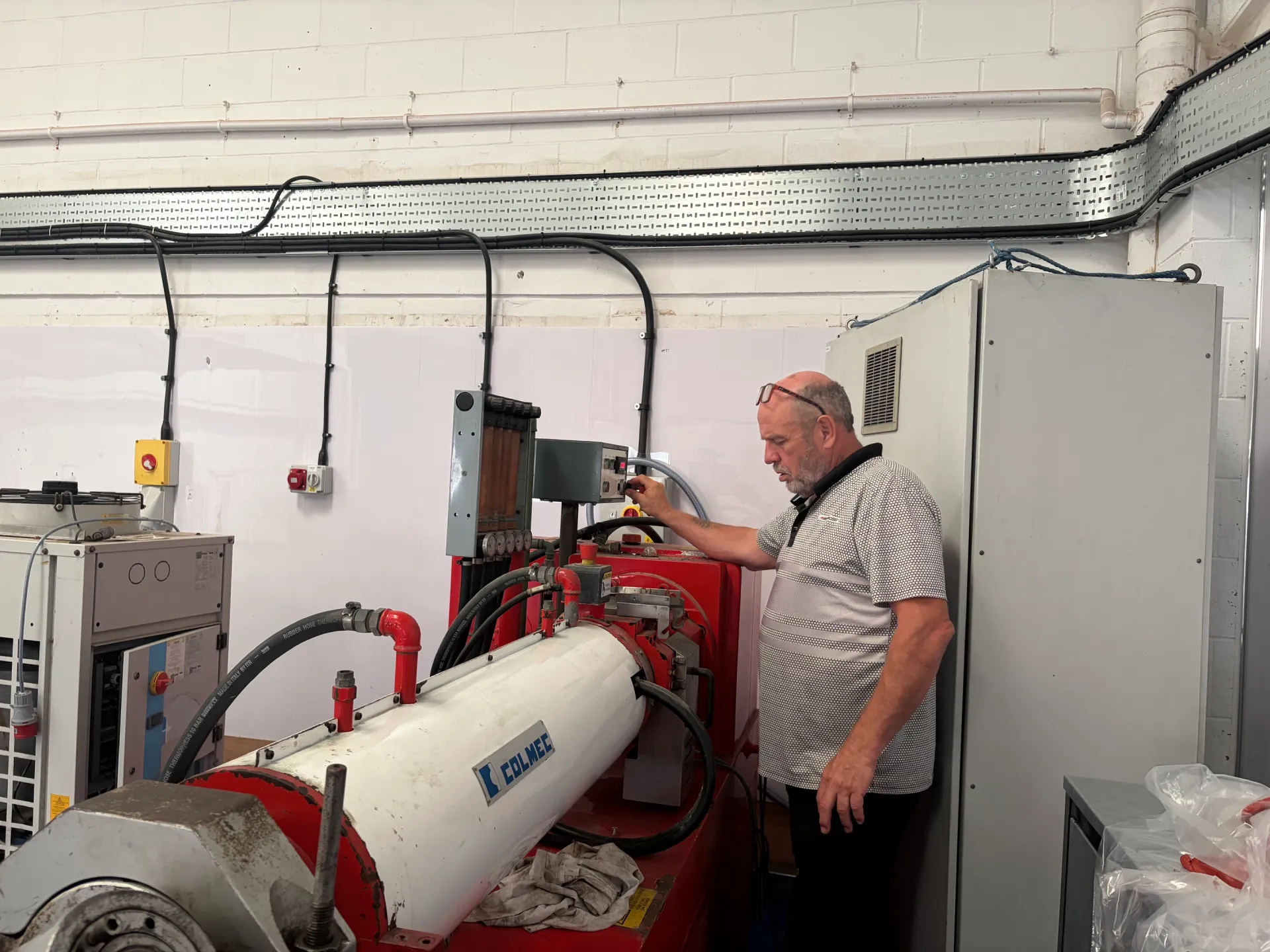
One of our most significant developments in 2026 has been the expansion of our manufacturing facilities in Littlehampton, West Sussex. The acquisition of an additional production unit at Riverside Industrial Estate marks an important stage in our long-term growth strategy. Rather than relocating our existing operations, we have expanded our manufacturing footprint to accommodate additional extrusion equipment and future production requirements. The investment builds on decades of silicone rubber manufacturing experience and provides the infrastructure needed to support increasing customer demand.
Increasing Production Capacity by 50%
Our expansion takes our total number of silicone extrusion lines from six to nine across our two Littlehampton facilities, representing a 50% increase in production capacity over four years. The new unit accommodates our ninth extrusion line, with space for further expansion as demand develops. Importantly, the additional capacity allows us to maintain different manufacturing arrangements for different production requirements.
Our newer extrusion lines are particularly suited to longer production runs exceeding 5,000 metres. Meanwhile, our existing equipment continues to accommodate shorter runs, including quantities from as little as 10 metres. This flexibility is important for customers who need anything from development quantities to regular, high-volume deliveries.
The expansion also supports a wider range of bespoke silicone rubber profiles, seals, gaskets and specialist extrusions for industrial and regulated applications. Read more about our UK silicone rubber extrusion manufacturing capabilities.
Investing in Additional In-House Toolmaking Capacity
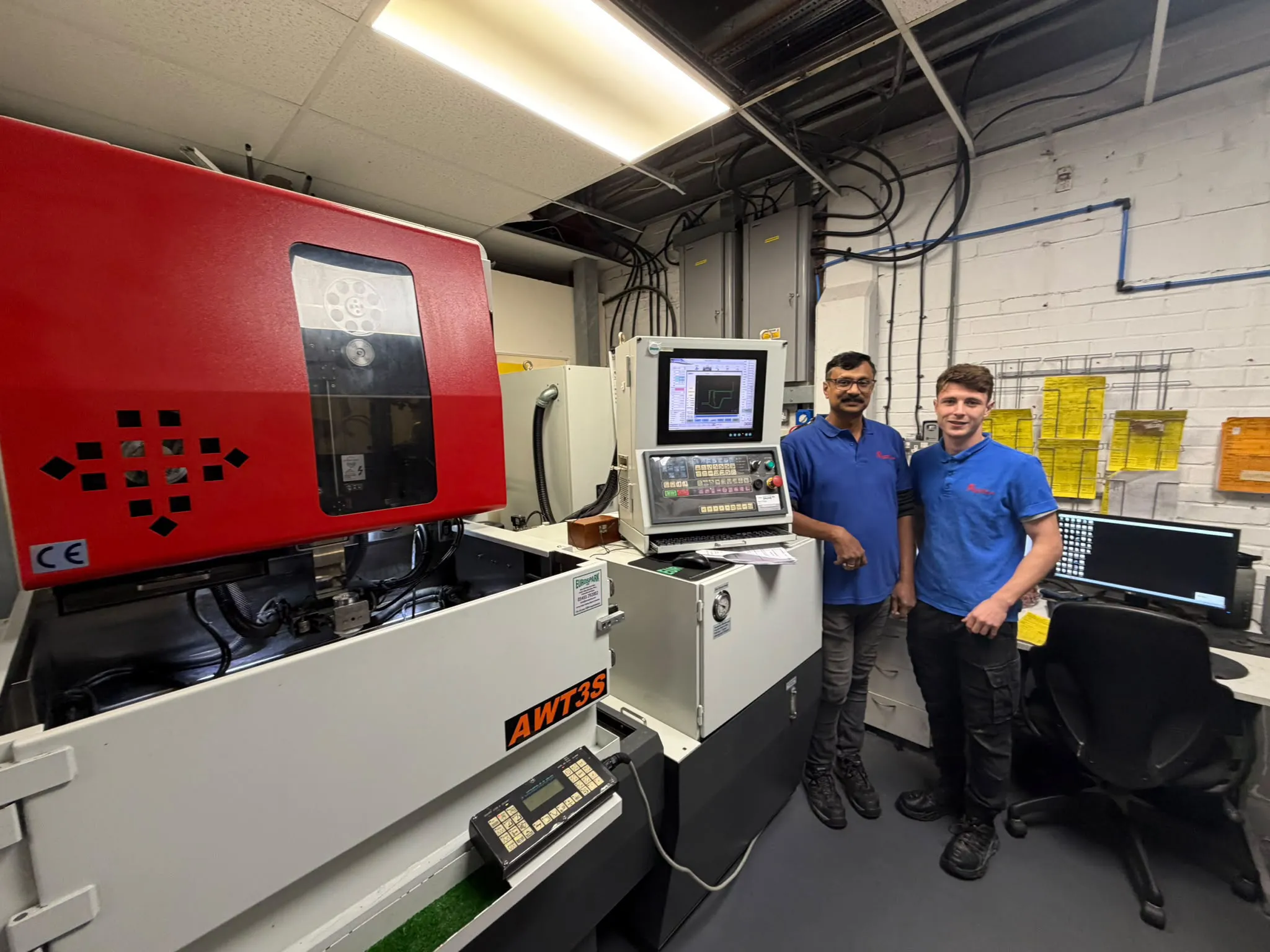
Alongside expanding our extrusion facilities, we have invested in a second wire electrical discharge machining (EDM) machine for our in-house toolroom. The additional Joemars AWT3s wire EDM machine will operate alongside our existing equipment, increasing our capacity to manufacture precision extrusion dies, joining tools and specialist tooling.
Wire EDM uses a fine electrically charged wire to cut accurate, complex shapes into conductive materials. It is particularly useful for manufacturing extrusion dies where intricate geometries and dimensional accuracy are essential. For silicone rubber extrusion, the quality of the die directly influences the profile’s dimensions, consistency and surface finish.
Supporting Bespoke Silicone Extrusion Projects
Our two full-time toolmakers will benefit from greater flexibility when scheduling new tooling, modifications and development work. The additional equipment provides several practical advantages:
- Increased tooling capacity: More machining availability for manufacturing bespoke extrusion dies and joining tools.
- Greater precision: Accurate cutting of complex tooling geometries to support consistent extrusion dimensions.
- Improved scheduling flexibility: Additional capacity to accommodate tooling development alongside existing manufacturing commitments.
- Reduced disruption risk: Two wire EDM machines provide backup capacity if one requires maintenance or repair.
- More development opportunities: Greater flexibility for testing, refining and modifying tooling designs.
The investment supports our established approach to keeping critical manufacturing processes under our control. By manufacturing tooling in-house, we can work directly with customers to review drawings, discuss tolerances and assess the practicality of proposed profile designs. Having additional machining capacity will help us manage increasing tooling requirements while working towards maintaining and improving customer lead times. For engineers developing bespoke silicone rubber components, this means access to practical manufacturing expertise throughout the design and production process.
Introducing CNC Gasket Cutting Technology
Another important investment is the purchase of a STYLECNC STO1625 CNC gasket cutting machine. This equipment will expand our capability to manufacture precision-cut silicone gaskets and specialist components using computer-controlled cutting technology. Unlike traditional die-cutting processes, CNC cutting can produce suitable gasket shapes directly from digital designs without requiring a dedicated physical cutting die. This provides valuable flexibility for customers developing bespoke components, particularly when designs may change during prototyping or production.
Improving Precision, Flexibility and Manufacturing Efficiency
The new machine uses Panasonic servo motors and computer-controlled cutting to achieve accurate, repeatable dimensions. Its pneumatic knife-cutting system produces clean edges without the heat-related burning or discolouration that can occur with some thermal cutting processes. The equipment also features interchangeable cutting tools, allowing different materials and component geometries to be accommodated.
For our customers, the benefits include:
- Consistent gasket dimensions: Computer-controlled cutting supports repeatability across production batches.
- Clean-cut edges: Mechanical cutting avoids heat damage to suitable silicone materials.
- Flexible production quantities: Digital programmes support prototypes, smaller batches and larger production requirements.
- Reduced tooling requirements: Suitable designs can be manufactured without investing in dedicated cutting dies.
- Greater production efficiency: Automated cutting increases the volume of work that can be processed consistently.
The equipment is designed to deliver cutting speeds considerably faster than laser cutting in suitable applications, with manufacturer specifications indicating potential improvements of five to eight times. Actual production efficiency will depend on the material, component geometry and cutting requirements.
Supporting Bespoke Gasket Development
One particularly useful advantage of CNC cutting is the ability to modify component designs digitally. For example, an engineer developing a silicone gasket may need to adjust an aperture, change an external dimension or refine the positioning of fixing holes.
Where the material and design are suitable, these changes can be incorporated into the cutting programme without manufacturing a replacement physical die. This can reduce development costs and make it more practical to evaluate different gasket designs before committing to regular production. For OEMs and manufacturers, the result is greater flexibility when specifying custom silicone components.
Strengthening Manufacturing Quality and Reliability
Increasing manufacturing capacity is only valuable when customers can continue to rely on consistent product quality. That is why our investment programme extends beyond purchasing additional machinery. Our manufacturing processes are supported by experienced production teams, in-house technical expertise and established quality management systems. We operate to ISO 9001-certified quality processes, with material traceability and quality controls supporting customer requirements.
For technically demanding applications, these controls are particularly important. A silicone rubber extrusion may need to maintain specific dimensions, hardness, compression characteristics or material performance throughout repeated production runs. Consistency matters because variations can affect assembly, sealing performance and the reliability of the finished product.
Our in-house capabilities allow us to consider these requirements together, from selecting suitable silicone grades through to tooling, extrusion, joining and post-curing. We also support customers requiring documentation for relevant material and regulatory requirements, including applications in food processing, aerospace, transport, medical and industrial manufacturing. Where specific approvals or compliance requirements apply, these must be assessed against the selected material and intended application.
Supporting Customers as Their Manufacturing Requirements Develop
Our investments during 2026 have a common purpose: ensuring Advanced Materials has the equipment, capacity and technical capability to support customers over the long term. Manufacturing requirements rarely remain static. A customer may initially need a short production run to evaluate a new profile before moving into regular manufacturing. Another may require consistent high-volume supply across several product lines. Some projects demand intricate bespoke tooling, while others benefit from flexible cutting methods that avoid unnecessary tooling costs. By expanding our extrusion capacity, increasing our toolmaking resources and introducing CNC gasket cutting technology, we are strengthening our ability to accommodate these different requirements.
Just as importantly, we are continuing to invest in UK-based manufacturing rather than relying solely on external production resources. This provides greater visibility over manufacturing processes and allows our technical, tooling and production teams to work closely together. For procurement teams, reliable communication and continuity of supply are essential. For engineers, access to experienced manufacturing specialists can help identify potential problems before they affect production. Both remain central to how we work with our customers.
Looking Ahead: Continued Investment in UK Silicone Rubber Manufacturing
Our progress in 2026 represents another important stage in the development of Advanced Materials. The additional manufacturing unit, second wire EDM machine and new CNC gasket cutting equipment demonstrate our commitment to investing in the capabilities our customers need. Each investment has been considered in terms of its practical contribution to manufacturing capacity, precision, flexibility and long-term reliability.
As we look ahead, our priorities remain consistent: producing quality silicone rubber extrusions and components, providing knowledgeable technical support and building lasting relationships with manufacturers and distributors.
With more than 30 years of experience in silicone rubber manufacturing, we understand the importance of combining technical knowledge with dependable service.
Discuss Your Next Silicone Rubber Manufacturing Project With Us. If you are developing a bespoke silicone extrusion, reviewing your existing supply arrangements or sourcing precision-cut silicone gaskets, our team would be pleased to discuss your requirements. Contact Advanced Materials to discuss your drawings, material specifications, production quantities and tooling requirements, or request a quotation for your next project.